

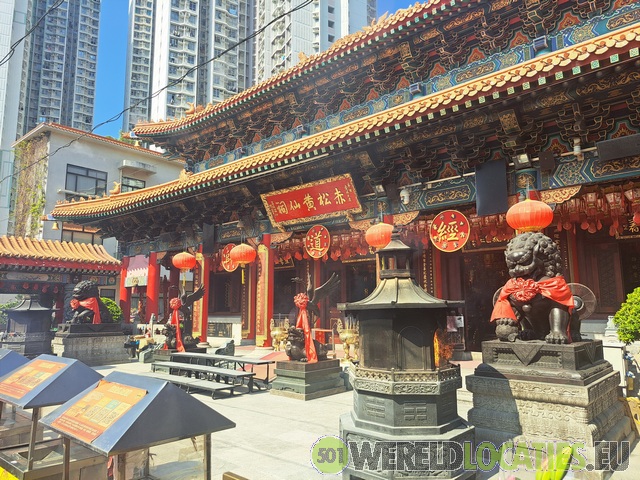


Foto: The cathedral of Copan (bron: Ronald van der Veer)
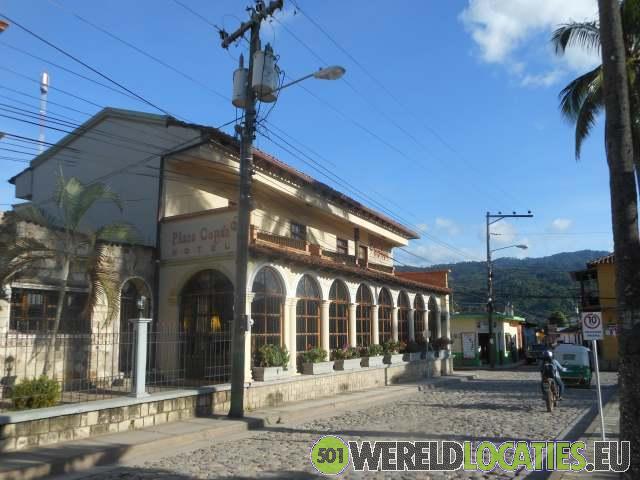
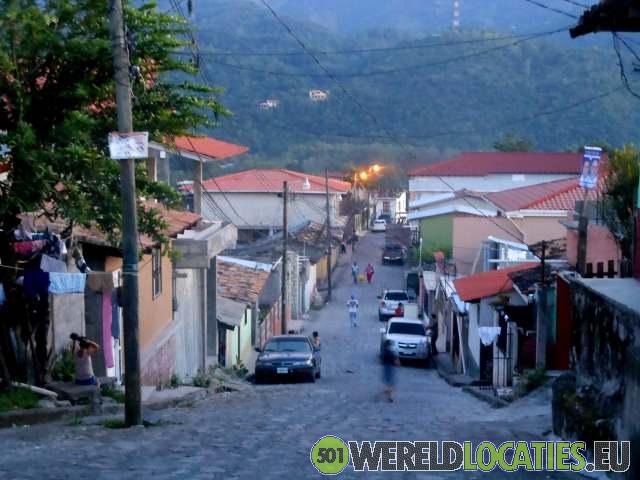
Honduras - After lunch back in the town of Copán, I walk in the afternoon to the Via Via. Geert gives a guided tour of the town and talks along the way about life in Honduras. In the market hall, he speaks about the country’s low minimum wage and how it can easily be circumvented. “For you, ten others,” he says. He also explains that raising the minimum wage would lead to higher prices for things like coffee in Europe and would make Honduras uncompetitive. He tells us about the low salaries of police officers, which fuels corruption in the country. The main source of income for the country is money sent by family members from the United States, and in second place are development aid subsidies. Since the coup three years ago, tourism income has dropped significantly. Honduras is currently one of the poorest and most unsafe countries in the world. In the big cities, gangs rule, and wealthy people are kidnapped for ransom. In Copán, however, it is relatively safe for tourists. They want to attract more visitors, especially to Copán, but they face four main problems: electricity, water, waste, and safety. Geert calculates that tourists generate much more waste than locals. If every tourist uses an average of six plastic bottles during their stay in Copán, that amounts to half a million bottles per year. They simply don’t know what to do with it. In the town center, waste is still collected, but outside of it, people often just throw it out of sight. He asks us to be mindful of these issues and to be understanding if sometimes there is no water or electricity available. Finally, he ends the walk with the topic of drugs. Honduras is a key transit country for drugs coming from Colombia. Drug lords earn a lot of money from the trade and hold great power in the region. Copán is an important transit point for drugs going to Guatemala. Many poor people hike through the mountains daily with backpacks full of drugs. Geert shows me the extreme contrasts in the streetscape. I suddenly see beautiful houses between shacks. “That’s either money from the U.S. or drug money,” Geert explains. Back at Via Via, I reflect on Geert’s stories over a beer. When Geert joins again after dinner, the discussion resumes about the future of tourism in Honduras. Eventually, the staff wants to go home, and I return to my hotel.

Copan In the footsteps of the Maya
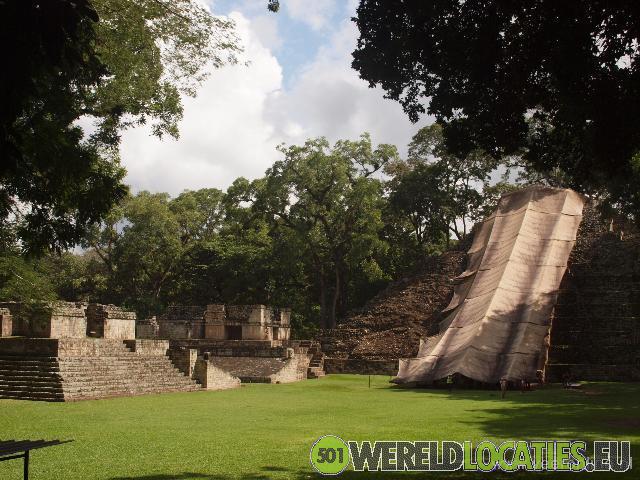
Honduras - Saul is already waiting for me in front of the hotel. He immediately starts telling me all sorts of things about Copán—about the men on the square and his frustration with the litter they leave behind, about the cathedral, and about the people of Copán. ...