


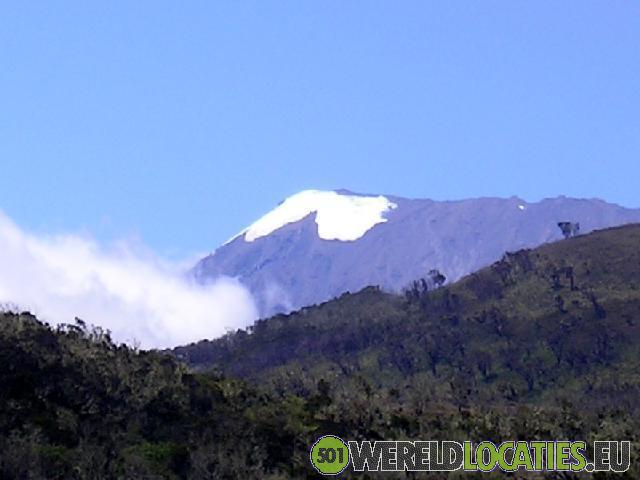
Foto: Mount Kilimanjaro (bron: Andrea Marangoni)
Tanzania - Mount Kilimanjaro, standing 5,895 meters high, is a challenge for the truly athletic hiker. There is no consensus on the origin of the name Kilimanjaro. Several explanations exist, based on words in Swahili and the Chagga and Machame dialects. Due to the movement of the Earth's crust, the Great Rift Valley was formed, stretching from the Red Sea through Tanzania to South Africa. Volcanic activity in and along the Great Rift Valley led to the formation of volcanoes such as Ngorongoro, Mount Meru, Mount Kenya, and Mount Kilimanjaro. Mount Kilimanjaro is a relatively young volcano. The mountain formed about 750,000 years ago through eruptions of three different volcanoes: Shira, Mawenzi, and Kibo. The first two became extinct, but an eruption of Kibo around 360,000 years ago allowed the mountain to reach its current height. The summit of Kilimanjaro was once completely covered with an ice layer more than 100 meters thick. Today, based on scientific research, it is believed that all the ice on Kilimanjaro will disappear within 10 to 20 years.
 Old Stone Town on Zanzibar
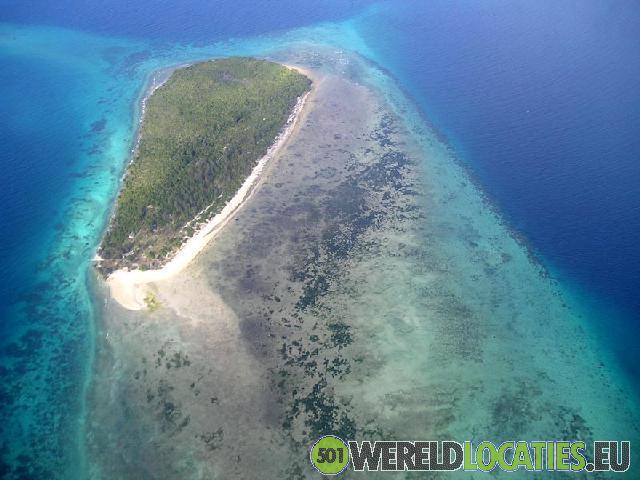
Tanzania - Stone Town, the historic heart of Zanzibar City on Unguja Island, is a fascinating place where cultures, religions, and centuries of history meet. Located on Zanzibar’s west coast, Stone Town was a crucial trade center for spices, ivory, and tragically, ...
Serengeti National Park

Tanzania - The Serengeti, a name derived from the Maasai word Siringet, literally means “Endless Plains.” It is a region of savannas and woodland landscapes in Africa, spanning northern Tanzania and southern Kenya, covering an area of about 30,000 km². Eighty ...
Wildlife in the Ngorongoro Crater

Tanzania - The Ngorongoro Conservation Area borders the Serengeti in northern Tanzania and contains the world’s largest crater, which acts as a natural enclosure. Almost every type of wild animal can be found here, including the extremely rare black rhinoceros. ...