

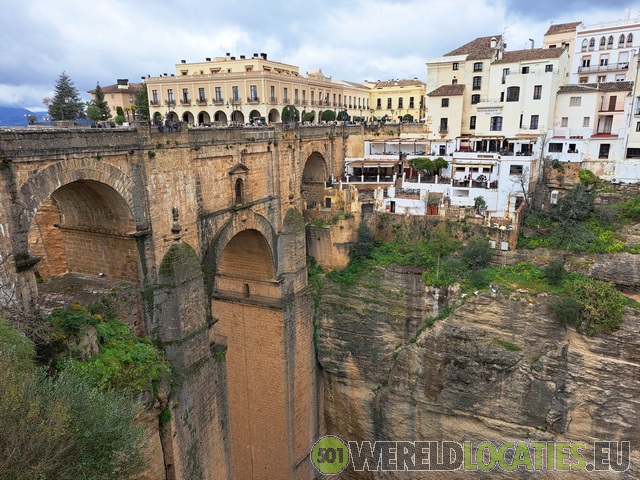


Foto: The Potosi mine (bron: Ronald van der Veer)
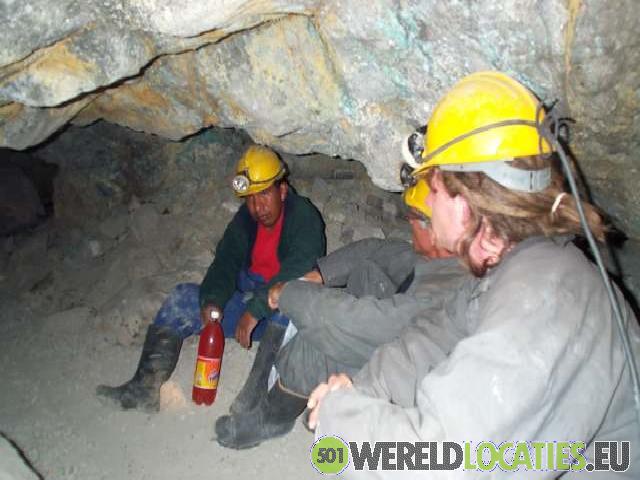
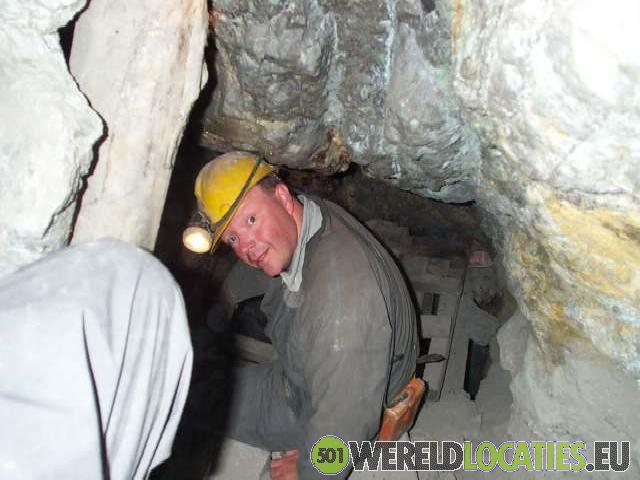
Bolivia - The mine tunnel is still accessible. Sometimes the passage is a bit lower, so a helmet comes in handy. At the entrance of the small museum, there is a small recess where the whole group can sit and clear the rails for the carts carrying mine gravel that are brought out. Because the rails slope downhill, the carts come down at quite a speed. Braking is not an option. The miners guiding the cart stand at the back. They coordinate when the carts can go out and when they are pulled back up. Tourists can also walk into the mines along the rails in between. The museum shows how silver is mined, which materials are used, and describes the history of the mines. As we follow the tracks further into the mines, the passages get lower, the oxygen clearly decreases, and the temperature rises. Along the way, we hand miners the sodas we bought. They gratefully accept. Through a narrow passage, we literally crawl to the second level, on hands and knees or sometimes sliding on our bottoms. From here, we can reach the third level via a passage and a rickety wooden ladder. Here, the mine gravel is shoveled into bags, which are then hoisted up to the first level. A primitive and heavy job. From this passage, we climb even deeper. Via two wooden ladders, we reach the fourth level of the mine. The shaft was made by Alberto. He works independently and owns his own mine shaft at this level. Alberto is working with a chisel and hammer to make a 30 cm hole in the wall, which takes him three to five hours. Then he can place dynamite in the hole and trigger an explosion. All the loosened rock he carries out in a bag on his stomach through the passages. Alberto does not use the lift; it belongs to the miners’ cooperative and he has to pay extra for it, which is too expensive for him. On average, Alberto spends three days chiseling and two days bringing the rock up. He is now 29 years old and has worked in the silver mine since he was 12. We gave him the dynamite sticks we bought and gave him a bottle of soda.

Laguna Verde

Bolivia - The Bolivian border lies in the mountains and in the middle of basically nowhere. Again, we fill in a visa form and get a stamp. The whole ritual is becoming familiar. After about an hour, everything is arranged, the luggage is loaded onto the four jeeps, ...
 Salt flats of Salar de Uyuni
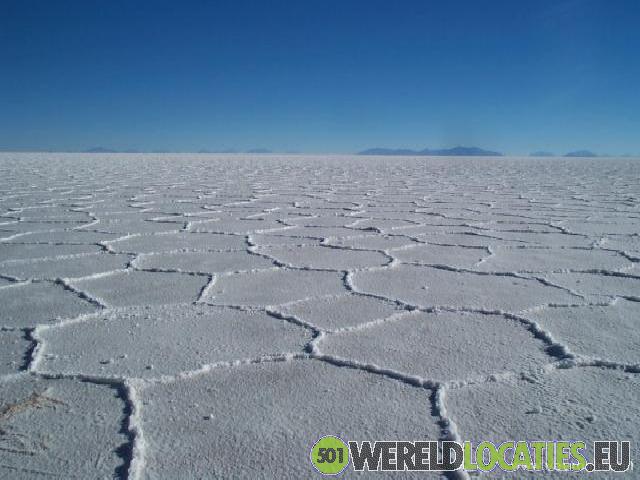
Bolivia - Without any more flat tires, around half past three we drive onto the salt lake. A strange sensation. The lake most resembles a frozen and snow-covered lake. The enormous surface area (about one-fifth of the Netherlands) makes the lake and the journey ...
The excavations of Tiahuanaco

Bolivia - At half past eight, the bus departs for Tiwanaku. Here lie the ancient ruins of the Tiwanaku culture. Between 500 and 1200 AD, they were already far ahead of their time. Even now, it is still a mystery with which tools they built the structures. On the ...
The highest capital city in the world La Paz

Bolivia - The luggage is loaded onto two minibusses and through the very busy traffic of La Paz and via the toll road, we are brought to our hotel. Our hotel is located in the city center. La Paz is situated in a basin, with the poor district El Alto and the airport ...