





Foto: The lean is especially noticeable when viewed in comparison to the adjacent cathedral. (bron: Ronald van der Veer)
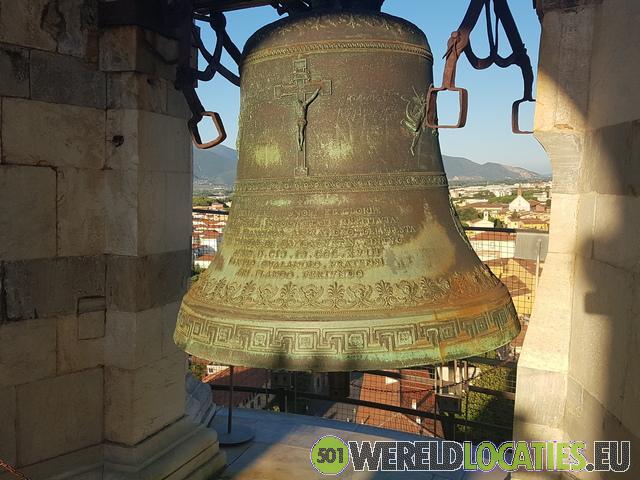
Italy - The (leaning) Tower of Pisa is the freestanding bell tower of the cathedral in Pisa. The tower is one of the main landmarks of the Piazza dei Miracoli. Its architects were Gugilmo and Buonanno. Shortly after construction began in August 1173, the tower began to lean. The tower stands 55.85 meters tall and was built in three phases over a period of 200 years. The first levels were constructed starting in 1173. After the third floor was completed in 1178, the tower began to tilt. Construction was then halted for around 100 years, as the people of Pisa were at war with Genoa and Florence. This gave the ground time to settle—had the tower been built all at once, it would likely have collapsed. In 1272, work resumed under Giovanni di Simone. It was already clear the existing levels were leaning, so to compensate, builders added more mortar to one side of the new levels to correct the tilt. Construction stopped again in 1284. The tower was finally completed in 1372 with the addition of the top level. By then, it leaned significantly, and again builders attempted to correct this by constructing the top level upright.


Florence
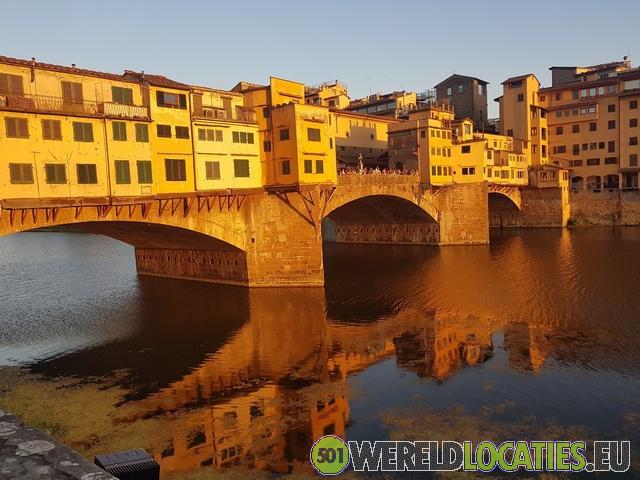
Italy - Florence is located in the photogenic region of Tuscany, in the heart of Italy. Known as the cradle of the Renaissance, the city is filled with architectural masterpieces and artworks from that era and earlier. The most famous example is Michelangelo’s ...
The Ancient City of Pompeii
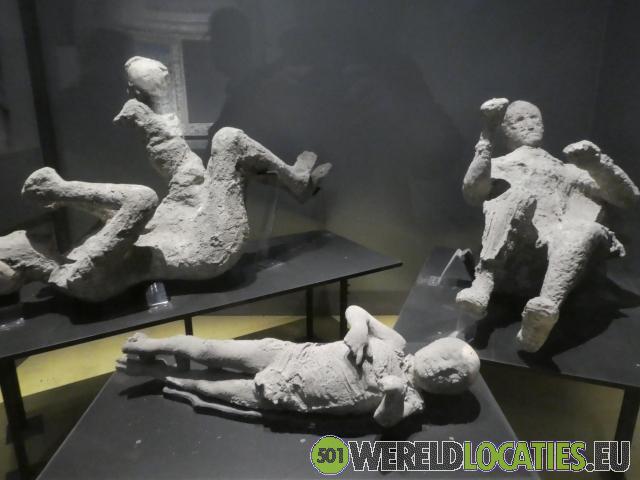
Italy - We disembark and follow the stream of tourists to the entrance of the ancient city of Pompeii. Around the beginning of the Common Era, Pompeii was a thriving Roman city with 20,000 inhabitants. In 79 AD, it was buried under a four-meter-thick layer of ...
The Cinque Terre fishing villages
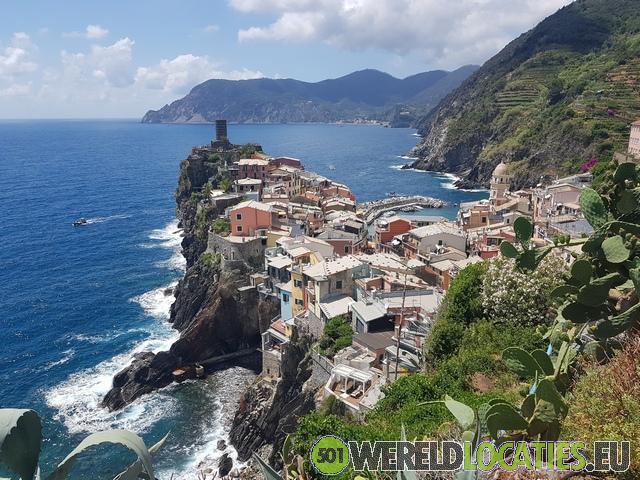
Italy - With the map in hand, we begin the hike to Vernazza. Just outside Monterosso, the narrow trail ascends. Via stone steps, we climb into the hills. Behind us, we have a beautiful view of Monterosso. The weather alternates between cloudy and sunny. At times ...
 The Colosseum

Italy - The Flavian Amphitheater, better known as the Colosseum, was built in the 1st century AD in Rome and was the largest amphitheater in the Roman Empire. It was constructed by the so-called Flavian emperors. Construction began under Emperor Vespasian in ...
The Monastery of San Fruttuoso
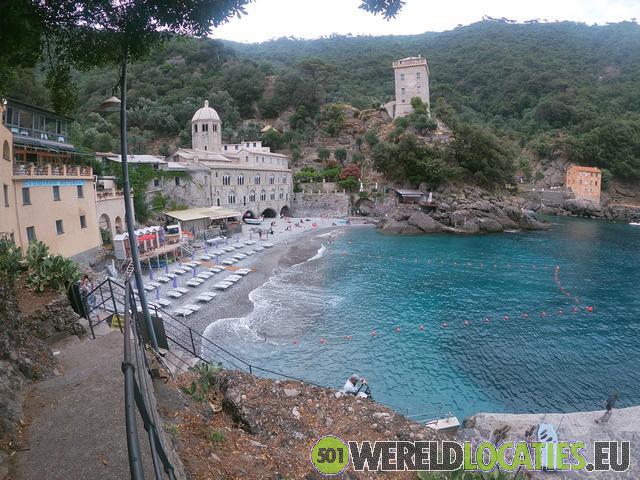
Italy - Today we’re visiting Portofino—a picturesque town on the edge of a peninsula. Due to its sheltered location and tourist appeal, parking is difficult. Rates go up to six euros per hour. As an alternative, we park in Santa Margherita, a town earlier ...
The old district of Naples

Italy - Today we’re heading out to explore the old city. As soon as we leave the main Via Armando Diaz, we enter a very narrow alleyway. At every corner, it’s uncertain whether the alley continues or ends at a house. It turns out it continues—though the ...
The Rolli Palaces of Genoa
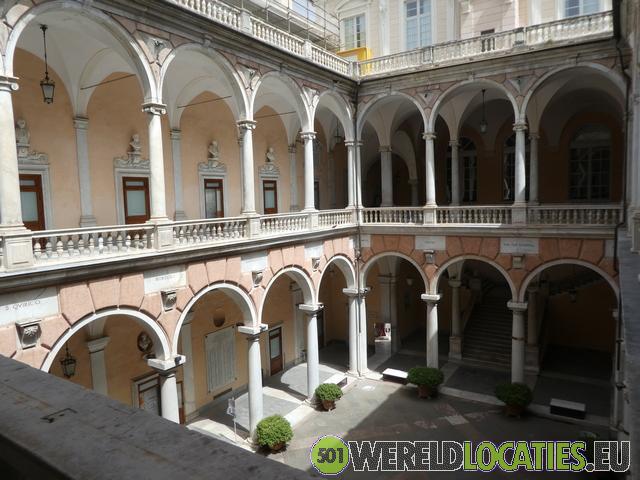
Italy - Along the Via Garibaldi, the palaces of Genoa stand in a row. In 1576, the Republic of Genoa compiled a list of the city’s most important noble palaces. The palaces on this list, the Palazzi dei Rolli, had the privilege of hosting state guests. Most ...
The Vesuvius volcano

Italy - From Pompeii, a local bus runs to Mount Vesuvius. The next bus departs around 1:00 PM. We quickly buy a sandwich and walk to the stop. The driver gestures for us to just get on. It seems we’ll pay later. The bus heads toward the volcano. At the base ...
Venice

Italy - When we arrive in Venice by train, we are not yet in the city itself. The main train station is on the mainland. From there, shuttle trains run to the heart of Venice. Ten minutes later, we pull into the station in central Venice. As I step out of the ...